
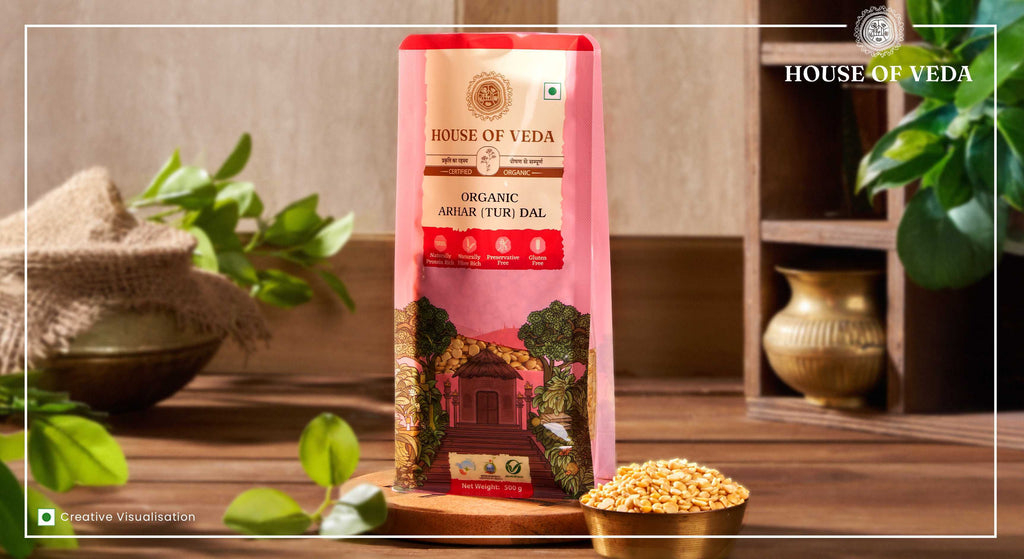
Arhar Dal: Nutrition, Benefits, and How to Include It in Your Diet
Table of Contents
Arhar dal (toor dal), also known as pigeon pea, is a staple in Indian households. If you’re wondering what is arhar dal, it is a protein-rich pulse widely used in daily cooking.
Arhar dal and toor dal are the same, known by different names across regions. This nutritious dal is an excellent plant-based protein source, making it ideal for vegetarians and a balanced diet.
Properties of Toor Dal

Toor Dal is a versatile pulse with several essential properties that make it a crucial part of daily nutrition. It is rich in fiber, which helps in digestion, and is packed with vitamins like B-complex and minerals such as iron, potassium, and magnesium. The dal has a mild, nutty flavor and a soft texture when cooked, making it suitable for various traditional and modern recipes. It is also known for its ability to absorb flavors well, making it a key ingredient in Indian dals, stews, and soups.
Arhar Dal Nutrition (Per 100g)
-
Calories: 343 kcal
-
Protein: 22g
-
Carbohydrates: 62g
-
Fiber: 15g
-
Fat: 1.5g
-
Iron: 5mg
-
Calcium: 57mg
-
Potassium: 1392mg
-
Magnesium: 173mg
This toor dal nutritional value per 100g makes it a great source of energy, protein, and essential nutrients.

Arhar Dal Protein Content

The protein in arhar dal per 100g is around 22g, making it one of the best plant-based protein sources.
Arhar dal protein content helps:
-
Build and repair muscles
-
Improve satiety and weight management
-
Support daily energy needs
This is why toor dal protein is recommended for fitness enthusiasts and vegetarians.
Health Benefits of Arhar Dal: A Dal for All Seasons
1.Supports Heart Health – Rich in potassium and fibre, Arhar Dal plays a crucial role in maintaining cardiovascular health. Potassium helps relax blood vessels, reducing the strain on the heart and regulating blood pressure, while fibre works to lower bad cholesterol (LDL) levels. Consuming Arhar Dal regularly can help reduce the risk of heart diseases, ensuring a healthier circulatory system.
2.Aids Digestion – The high fibre content in Arhar Dal is beneficial for digestive health as it adds bulk to stool, promoting regular bowel movements and preventing constipation. It also encourages the growth of good gut bacteria, aiding overall gut health. Additionally, the fiber slows down the digestion process, ensuring better absorption of nutrients and preventing digestive disorders such as bloating and acidity.
3.Manages Diabetes – With a low glycemic index, Arhar Dal is an excellent food choice for individuals managing diabetes. The slow digestion and absorption of carbohydrates from the dal help prevent rapid spikes in blood sugar levels, providing better glycemic control. Furthermore, its rich protein content helps in sustaining energy levels, making it a nutritious addition to a diabetic-friendly diet.
5.Boosts Immunity – Arhar Dal is packed with essential vitCredentials N Discoveryamins and minerals such as iron, folic acid, and zinc, which are vital for maintaining a robust immune system. Iron supports red blood cell production, preventing anemia, while zinc plays a key role in fighting infections and enhancing overall immunity. Regular consumption of Arhar Dal can help the body defend against common illnesses and promote overall well-being.
4.Good for Bone Health – Arhar Dal contains vital minerals like magnesium, phosphorus, and calcium, which are essential for maintaining strong and healthy bones. Magnesium aids in calcium absorption, ensuring that bones remain dense and resilient, while phosphorus contributes to bone formation and repair. Regular intake of Arhar Dal can help prevent osteoporosis and other bone-related issues, keeping the skeletal system robust and functional throughout life.
How to Cook Arhar Dal
Cooking arhar ki dal is simple and nutritious:
-
Soak for 30 minutes before cooking
-
Use a pressure cooker for faster cooking
-
Add turmeric, cumin, garlic, and hing for flavor
-
Pair with rice or roti for a complete meal
Popular Toor Dal Recipes

1.Dal Tadka – A classic Indian dish made with cooked Organic Toor Dal, tempered with ghee, garlic, cumin, and aromatic spices. This dish is a staple in Indian households and pairs well with steamed rice or roti. The smoky flavor from the tempering adds depth, making it a comforting and flavorful meal.
2.Sambar – A South Indian lentil stew made with Toor Dal, tamarind, assorted vegetables, and a blend of special spices. Sambar is a staple in South Indian cuisine, typically served with idli, dosa, or rice. Its unique tangy and spicy taste comes from the addition of tamarind pulp and a special spice mix called sambar powder.
3.Khichdi – A wholesome, easy-to-digest dish made with Toor Dal, rice, mild spices, and sometimes vegetables. It is a go-to meal for those seeking a nutritious yet light option, often recommended for those recovering from illness. The dish can be enhanced with a dollop of ghee, making it even more flavorful and soothing.
4.Gujarati Dal – A sweet and tangy dal preparation that combines the richness of Toor Dal with the unique flavors of jaggery and tamarind. This dish has a distinctive taste that balances sweet, sour, and spicy elements, making it a delightful accompaniment to rice or roti. It is often garnished with mustard seeds, curry leaves, and dried red chilies.
5.Caribbean Pigeon Pea Stew – A flavorful dish made with pigeon peas (a close relative of Toor Dal), coconut milk, and aromatic Caribbean spices. This dish is commonly enjoyed in the Caribbean islands, where it is served with rice or roti. The addition of coconut milk gives it a creamy texture, while spices like thyme and allspice provide a rich and vibrant flavor.
Arhar Dal vs Other Lentils
-
Arhar Dal vs. Moong Dal – Arhar Dal is higher in protein, while Moong Dal is easier to digest and lighter on the stomach.
-
Masoor Dal vs. Toor Dal – Masoor Dal cooks faster and has a reddish hue, whereas Toor Dal has a nuttier taste and higher fiber content.
-
Chana Dal vs. Arhar Dal – Chana Dal is denser and takes longer to cook, while Arhar Dal has a softer texture and blends well with spices.
Side Effects of Toor Dal
While toor dal benefits are many, overconsumption may cause:
1.Digestive Issues – Excessive consumption of Toor Dal may cause bloating, gas, or indigestion due to its high fiber content. Soaking and cooking it properly can help reduce these effects.
2.Allergic Reactions – Some individuals may have a legume allergy, leading to symptoms like skin rashes, itching, or difficulty breathing after consuming Toor Dal.
3.High Purine Content – Toor Dal contains purines, which can contribute to increased uric acid levels, potentially worsening conditions like gout.
4.Kidney Stone Risk – The oxalate content in Toor Dal may contribute to kidney stone formation in people prone to kidney-related issues.
5.Interference with Mineral Absorption – The presence of antinutrients like phytates in Toor Dal can hinder the absorption of essential minerals like iron and calcium. Proper soaking and cooking can help reduce these compounds.
Conclusion
Arhar dal, also known as toor dal, is more than just a staple in Indian cuisine—it is a powerhouse of nutrition rich in protein, fiber, and essential vitamins and minerals. From supporting heart health and digestion to boosting immunity and muscle growth, the benefits of arhar dal make it an important part of a balanced diet. Whether enjoyed in traditional dishes like dal tadka and sambar or added to modern recipes, this versatile pulse fits perfectly into everyday meals.
For the best quality and purity, choose House of Veda Organic Arhar Dal—naturally sourced and packed with nutrients to help you elevate your daily meals with healthy, wholesome goodness.
FAQs
1.Arhar Dal vs Toor Dal: Are They The Same
Arhar dal and toor dal are the same pigeon peas with different names. Yes, “ toor dal" is famous in South India, while Arhar dal is used in North India. Essentially, both are the same lentil which are available in every kitchen. Both names refer to the same lentil.
2.Is toor dal gluten-free?
Yes, it's true, “Toor dal is naturally gluten-free”.it is a rich source of fiber, minerals, and vitamins. This delicious legume helps you to be fit and healthy.
3.Is Arhar Dal safe during pregnancy?
Yes, Arhar dal is known to be a perfect source of folic- acid and nutrients, which gives energy to mother and baby and maintains their health.
4.Can people with Diabetes eat toor dal?
Yes, Toor dal helps diabetic people by managing their blood sugar levels. So, if you have Diabetes, toor dal is a good source of fiber and complex carbohydrates.
5.Is it OK to eat toor dal daily?
Yes, you can eat toor dal daily. This Dal is high in nutrition and packed with fiber, proteins essential minerals, and vitamins. However, for perfect health, have it in moderation and have a balanced diet.
"The House Of Veda Stands By The V-E-D-A Principles. Every Blog We Write And Every Product We Offer Is Built On Verified Experience And Expertise. We Are Committed To Dependability And Authenticity, Ensuring That Our Community Receives Nothing But The Best In Organic Wellness."
"V-E-D-A" (Experience, Dependability, Authority, And Authenticity)
Related post

17
Mar
24
Feb
25
Jul
21
Jul
Table of Contents
RECENT POSTS