
Cold Pressed Groundnut Oil: A Better Choice Than Refined Oils
Table of Contents
Introduction
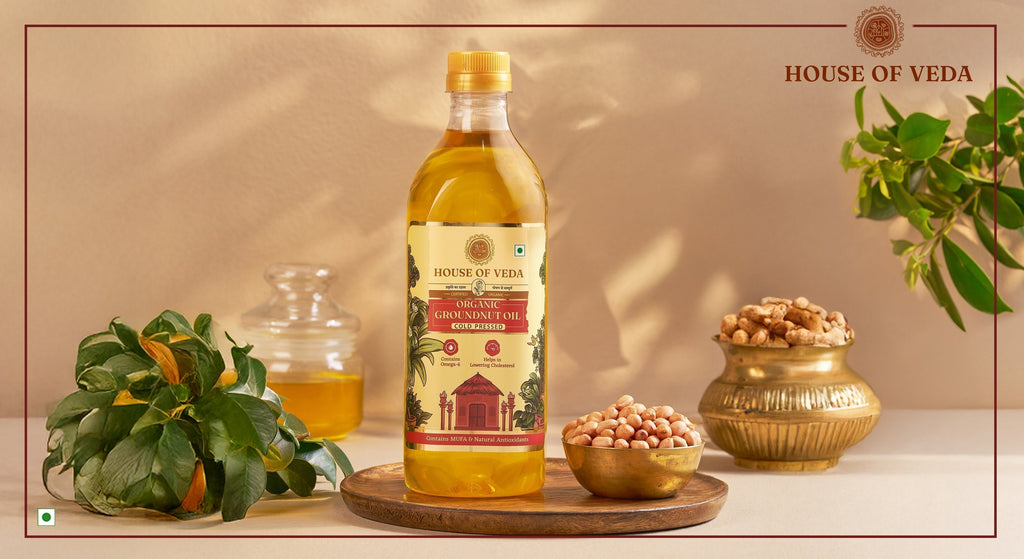
Cold pressed groundnut oil, also known as peanut oil, is a nutrient-rich, aromatic oil extracted naturally without the use of heat or chemicals. Unlike refined oils, cold pressed groundnut oil retains all its essential nutrients, flavor, and aroma that makes it a preferred choice for people looking for a healthier option. With the rise in demand for clean, wholesome ingredients, cold pressed oils have made a comeback in kitchens across India and the world. In this blog we will find out everything about the organic and cold-pressed groundnut oil including its nutritional benefits and comparisons with other oils to its culinary uses and safety considerations.
What is Cold Pressed Groundnut Oil?
Groundnut oil (also called peanut oil) is derived from peanuts. Cold pressed groundnut oil is extracted using a traditional method that preserves nutrients, making it healthier than refined oils.
If you’re wondering “is groundnut oil good for health?” — the answer is yes, especially when it is cold pressed and unrefined.

How Cold Pressed Groundnut Oil is Made?
Cold pressed oil groundnut is produced by mechanically pressing raw peanuts without heat. This process helps retain:
-
Natural antioxidants
-
Healthy fats
-
Vitamin E
This makes cold pressed peanut oil a better alternative to refined groundnut oil.
Groundnut Oil vs Refined Oil
The primary distinction between cold pressed and refined groundnut oil lies in the method of extraction and processing. It significantly impacts their nutritional quality and overall health benefits.
1. Method of Extraction:
- Cold Pressed Oil: Extracted using a mechanical press at low temperatures without the use of heat or chemicals. This preserves the natural aroma, color, and nutritional content.
-
Refined Oil: Involves high-heat treatment and the use of chemical solvents like hexane to increase yield. This process strips away most nutrients, flavor, and antioxidants.
2. Nutritional Value:
- Cold Pressed Oil: Retains healthy fats like monounsaturated and polyunsaturated fats, as well as vitamin E and antioxidants.
-
Refined Oil: Loses a substantial portion of its nutrients due to the refining process.
3. Flavor and Aroma:
- Cold Pressed Oil: Has a rich, nutty taste and aroma that enhances the flavor of dishes.
-
Refined Oil: Bland in taste and smell due to heavy processing.
4. Health Impact:
- Cold Pressed Oil: Supports heart health, improves digestion, and has anti-inflammatory properties.
-
Refined Oil: Often linked to increased risk of chronic conditions due to the loss of essential nutrients and possible chemical residues.
5. Suitability for Cooking:
- Cold Pressed Oil: Best for sautéing, shallow frying, or salad dressings. It has a lower smoke point, making it unsuitable for deep frying.
- Refined Oil: Due to its high smoke point, it’s often used for deep frying, but at the cost of nutrition.
Choosing groundnut oil cold pressed ensures better nutrition and overall health.
Groundnut Oil Nutrition (Per 100 ml)
|
Nutrient |
Amount |
|
Calories |
884 kcal |
|
Total Fats |
100 g |
|
Saturated Fats |
17 g |
|
Monounsaturated Fat |
46 g |
|
Polyunsaturated Fat |
32 g |
|
Vitamin E |
15 mg |
|
Antioxidants |
Present |
Benefits of Cold Pressed Groundnut Oil 
1. Supports Heart Health
Rich in healthy fats, it helps maintain cholesterol levels. Many studies support that groundnut oil is good for cholesterol when used in moderation.
2. Rich in Antioxidants
Contains Vitamin E and natural compounds that protect the body from damage.
3.
Good for Skin & Hair
Groundnut oil benefits include improved skin health and nourishment for hair.
4. Boosts Immunity
The natural nutrients support overall immunity and wellness.
5.
Helps in Weight Management
If you’re asking “is groundnut oil good for weight loss?” — yes, when consumed in controlled quantities.
How Does Cold Pressed Groundnut Oil Compare to Other Oils?
When choosing the right oil for your kitchen, it’s important to evaluate how cold pressed groundnut oil stacks up against other popular cooking oils. Here's a detailed comparison:
Groundnut Oil vs Olive Oil
Both oils are rich in monounsaturated fatty acids (MUFAs), which help in reducing bad cholesterol levels and promoting heart health. Olive oil contains slightly more polyphenols, which are known for their antioxidant properties. However, cold pressed groundnut oil has a higher smoke point compared to olive oil, making it more suitable for high-temperature cooking like frying and sautéing, especially in Indian recipes.
Groundnut Oil vs Coconut Oil
Coconut oil is high in saturated fats, which may raise LDL (bad) cholesterol levels if consumed excessively. While it has gained popularity for its antimicrobial properties, it’s not the best for heart health when overused. In contrast, cold pressed groundnut oil contains a more balanced fat profile with heart-healthy MUFAs and is better suited for daily use, especially if you’re aiming for a heart-friendly diet.
Groundnut Oil vs Sunflower
Sunflower oil is abundant in polyunsaturated fats but lacks the rich antioxidant profile found in groundnut oil. Moreover, excessive consumption of polyunsaturated fats without a balance of MUFAs and saturated fats can lead to an imbalance in the body. Cold pressed groundnut oil provides a more stable fat profile and includes vitamin E and other antioxidants that contribute to skin health and immunity.
Groundnut Oil vs Palm Oil
Palm oil is often refined and has a high saturated fat content, which can be detrimental to heart health over time. Additionally, environmental concerns are associated with the large-scale cultivation of palm oil. Cold pressed groundnut oil, particularly when organically sourced, is a much cleaner and sustainable alternative. It offers heart-protective benefits, a pleasant flavor, and a lower environmental impact.
By choosing organic cold pressed groundnut oil, you're opting for a healthier, eco-friendly, and nutrient-rich cooking medium that supports overall wellness while fitting seamlessly into both traditional and modern recipes.
What are the Best Cold Pressed Groundnut Oil Recipes?

Traditional Indian Recipes
Poha: Tempered with groundnut oil, mustard seeds, curry leaves, and green chilies, poha becomes aromatic, flavorful, and nutritious. The nutty aroma of groundnut oil adds depth to this light breakfast dish, making it a wholesome start to your day.
Tadka Dal: Use groundnut oil for the final tadka in dals to get the nutty aroma as it complements cumin, garlic, and mustard seeds beautifully. It enhances the richness of your everyday dals and elevates the comfort food experience.
Andhra-Style Peanut Chutney: Roast peanuts in groundnut oil and blend with tamarind, red chilies, and garlic for a spicy, earthy chutney. The use of groundnut oil intensifies the flavor and makes the chutney more aromatic and shelf stable.
Healthy Modern Recipes
Stir-Fried Quinoa with Vegetables: Replace olive oil with groundnut oil to stir-fry seasonal veggies and cooked quinoa for a protein-rich meal. Groundnut oil’s higher smoke point makes it perfect for retaining crunch in veggies while preserving nutrients.
Peanut Oil Roasted Sweet Potatoes: Toss sliced sweet potatoes in groundnut oil, sea salt, and herbs, then roast till crisp for a healthy and satisfying snack. The oil adds a nutty richness that pairs wonderfully with the natural sweetness of the potatoes.
Grilled Tofu in Peanut Oil Marinade: Marinate tofu in a mix of soy sauce, ginger, garlic, and groundnut oil. Grill to perfection and serve with salad or rice for a delicious, protein-rich, plant-based meal.
Cold Recipes Using Groundnut Oil
Peanut Oil Salad Dressings: Mix groundnut oil with lemon juice, honey, mustard, and a touch of black pepper for a creamy, flavorful salad dressing that adds a nutty twist to fresh greens.
Hummus with Groundnut Oil: Drizzle cold pressed groundnut oil over classic chickpea hummus instead of olive oil to lend a unique and earthy flavor profile.
Sweet Recipes Using Cold Pressed Peanut Oil
Groundnut Oil Banana Bread: Substitute butter with groundnut oil for a moist, nutty-flavored banana bread that’s lighter and healthier without compromising on taste.
Millet Laddoos with Jaggery: Use groundnut oil to bind roasted millet flour, jaggery, and dry fruits. These laddoos make for a power-packed, nutritious snack ideal for both kids and adults.
Groundnut Oil Side Effects
While there are many benefits of groundnut oil, a few precautions include:
-
Not suitable for people with peanut allergies
-
Excess use may lead to weight gain
-
Avoid overheating
Understanding groundnut oil benefits and side effects helps in using it wisely.
How to Use and Store Cold Pressed Groundnut Oil Safely?

- Best Storage Conditions: Store in a dark, airtight glass bottle away from heat and sunlight.
- Shelf Life: Typically 6–9 months if stored properly.
- Spoilage Signs: Rancid smell, thick texture, and discoloration.
- Reusing Oil: Avoid reusing more than 1–2 times, especially if heated.
- Daily Consumption: Limit to about 3 tablespoons a day to avoid excess calorie intake.
Conclusion
Cold pressed groundnut oil is a healthy, natural, and versatile cooking oil. It offers multiple groundnut oil health benefits, from improving heart health to supporting overall wellness. Compared to refined oils, it stands out for its purity, nutrition, and taste.
For a healthier lifestyle, choose the best cold pressed groundnut oil that is natural and chemical-free. Make the switch today and enjoy the goodness of traditional cooking with modern health benefits.
FAQs
1. Can I use cold pressed peanut oil for frying?
It’s suitable for light sauteing and shallow frying but not recommended for deep frying due to its low smoke point.
2. Is cold pressed groundnut oil good for weight loss?
Yes, in moderation. Its MUFA content promotes satiety and may help prevent overeating.
3. How long can cold pressed groundnut oil last?
It typically lasts for 6–9 months when stored in a cool, dark place.
4. Can people with nut allergies use it?
No, it is not safe for individuals with peanut allergies due to potential allergic reactions.
5. Does it taste different than refined oil?
Yes, it has a distinct nutty aroma and flavor that’s often missing in refined oils.
"The House Of Veda Stands By The V-E-D-A Principles. Every Blog We Write And Every Product We Offer Is Built On Verified Experience And Expertise. We Are Committed To Dependability And Authenticity, Ensuring That Our Community Receives Nothing But The Best In Organic Wellness."
"V-E-D-A" (Experience, Dependability, Authority, And Authenticity)
Related post

17
Mar
24
Feb
25
Jul
21
Jul
Table of Contents
RECENT POSTS